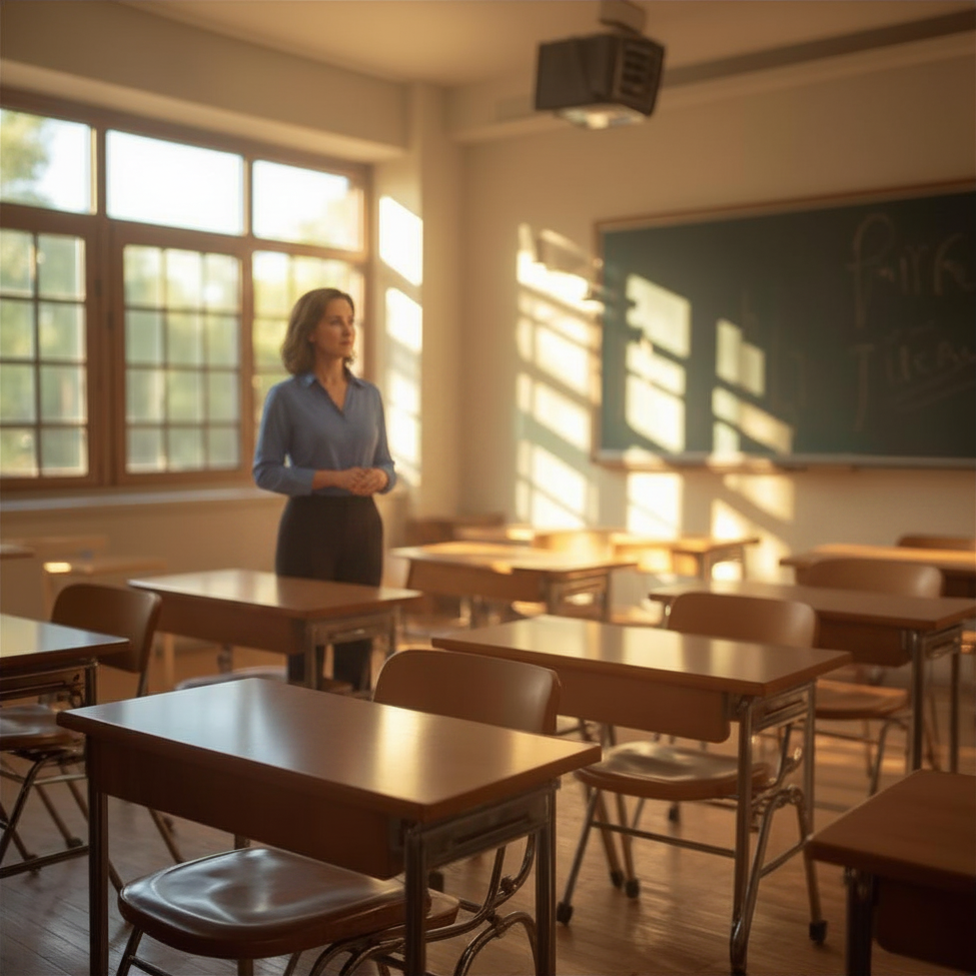
The final bell has rung.
Grades have been submitted. Classrooms have been cleaned. Hallways are quiet.
After months of early mornings, long days, and constant demands, summer break has finally arrived.
So why do so many teachers and school staff find themselves feeling exhausted, stiff, and achy just when they finally have time to relax?
At Sauk Spine Chiropractic, we often see educators who spend the school year pushing through discomfort, only to realize during summer break how much stress their bodies have been carrying.
If you’re a teacher, administrator, paraprofessional, school nurse, counselor, secretary, custodian, food service worker, or bus driver, this may sound familiar.
The School Year Is Harder on the Body Than Many People Realize
Teaching is often described as a calling.
It’s also surprisingly physical.
Most educators spend their days:
- Standing for long periods
- Walking hallways
- Leaning over student desks
- Carrying books and supplies
- Sitting during lesson planning and grading
- Working at computers
- Looking down at papers and devices
- Managing stress and mental fatigue
School staff face similar demands.
Custodians lift, push, pull, and bend throughout the day.
Paraprofessionals frequently assist students physically.
School nurses move constantly between students and workstations.
Bus drivers spend hours seated while absorbing vibration from the road.
Every role places unique demands on the spine.
Why Pain Often Shows Up During Summer
Many educators are surprised when aches and pains seem more noticeable after school ends.
There’s actually a simple explanation.
During the school year, you’re focused on lesson plans, meetings, deadlines, students, and daily responsibilities. Your attention is directed outward.
When summer arrives and the pace slows, you finally have time to notice what your body has been trying to tell you.
That nagging neck pain.
The lower back stiffness.
The headaches.
The aching shoulders.
The discomfort didn’t necessarily start yesterday. You simply have more awareness of it now.
The Hidden Effects of Standing and Sitting
Teaching requires a unique combination of movement and stillness.
You may spend hours standing and walking, followed by long periods of grading papers, lesson planning, or completing administrative tasks at a computer.
This combination can create significant stress on both the neck and lower back.
The Neck and Upper Back
Hours spent looking down at papers, laptops, tablets, and phones can contribute to:
- Neck pain
- Shoulder tension
- Headaches
- Reduced mobility
- Arm numbness or tingling
Over time, pressure may build within the discs and joints of the cervical spine.
Some individuals may also experience dizziness or a sensation of imbalance that appears to be associated with tension, stiffness, or dysfunction within the cervical (neck) spine. This condition is sometimes referred to as cervicogenic dizziness or cervical dizziness.
While dizziness can have many possible causes and should always be properly evaluated, neck-related dysfunction is one factor chiropractors commonly assess when patients experience both neck pain and dizziness. Addressing underlying cervical spine issues may help improve overall comfort, mobility, and function.
The Lower Back
Standing on hard floors, walking throughout the day, and prolonged sitting during planning periods can contribute to:
Many educators describe feeling particularly stiff after sitting for extended periods.
Understanding Disc Compression
Between each vertebra sits a spinal disc that acts as a cushion and shock absorber.
Over time, repetitive stress, poor posture, prolonged sitting, and long periods of standing can increase pressure within these discs.
As discs become compressed, they may begin irritating nearby nerves and surrounding structures.
This can lead to symptoms such as:
- Chronic neck pain
- Lower back pain
- Sciatica
- Tingling or numbness
- Reduced mobility
- Persistent stiffness
Many people assume these symptoms are simply part of aging.
Often, they are signs that the spine is under more stress than it can comfortably manage.
How Spinal Decompression May Help
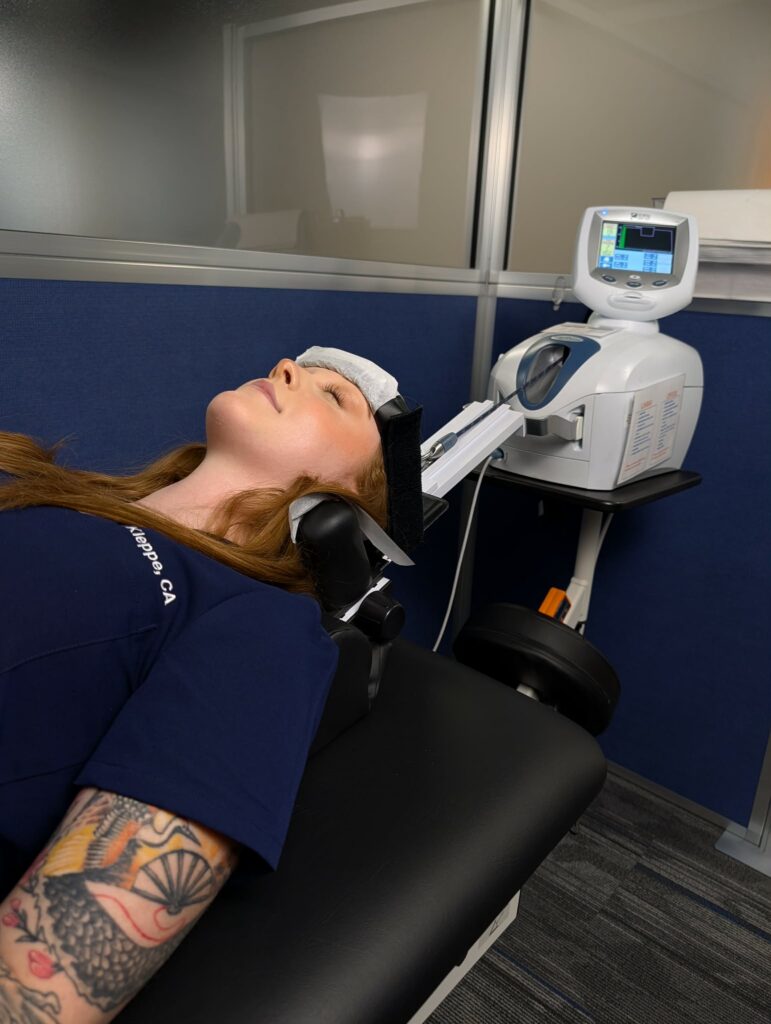
Spinal decompression is a gentle, non-surgical treatment designed to reduce pressure within the spine.
Using a specialized decompression table, controlled stretching forces create space between vertebrae and help relieve pressure on discs and nerves.
Cervical Decompression
For educators experiencing neck pain, headaches, or upper back tension, cervical decompression may help:
- Reduce pressure on cervical discs
- Improve mobility
- Decrease nerve irritation
- Relieve chronic neck tension
- Reduce arm pain and tingling
Lumbar Decompression
For those dealing with lower back pain or sciatica, lumbar decompression may help:
- Relieve pressure on lumbar discs
- Reduce sciatic nerve irritation
- Improve flexibility
- Decrease pain and stiffness
- Support the body’s natural healing processes
Many patients find decompression both relaxing and comfortable.
Summer Is an Opportunity to Invest in Yourself
Teachers spend the entire school year investing in others.
Students.
Parents.
Colleagues.
Schools.
Summer provides a rare opportunity to focus on your own health and well-being.
Rather than waiting until August and hoping things improve, now may be the ideal time to address the aches and pains that have accumulated throughout the year.
Imagine beginning the next school year feeling stronger, moving more comfortably, and carrying less pain.
You Help Others Grow. Don’t Neglect Your Own Health.
At Sauk Spine Chiropractic, we understand that educators dedicate themselves to helping others succeed.
You deserve that same level of care and attention.
If neck pain, headaches, lower back pain, or sciatica have become part of your daily routine, Dr. John can help determine whether spinal decompression may be an appropriate part of your care plan.
Ready for a Healthier Start to the Next School Year?
Summer break won’t last forever.
Use this season to take care of yourself.
Schedule a consultation with Sauk Spine Chiropractic and learn whether spinal decompression can help you move more comfortably, recover more fully, and prepare for the school year ahead.