
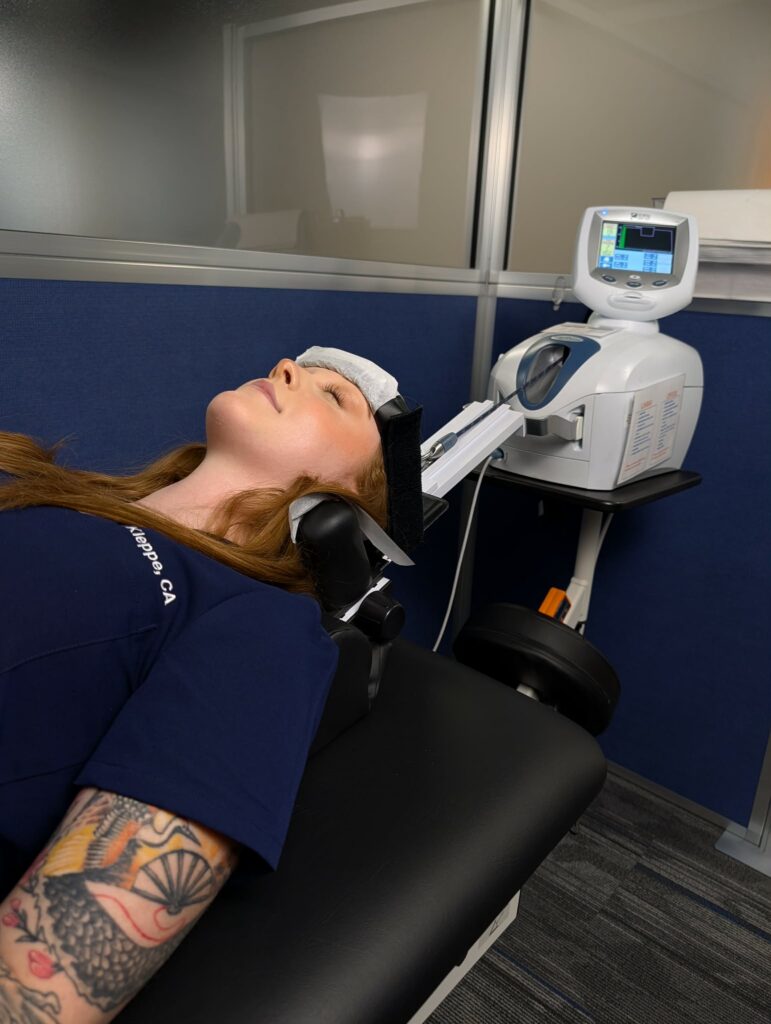
If you’ve been struggling with chronic neck pain, lower back pain, sciatica, numbness, tingling, or disc-related problems, you may have heard about spinal decompression therapy.
But what exactly is spinal decompression, and how does it work?
At Sauk Spine Chiropractic, one of the most common questions we hear is:
“Can spinal decompression help me?”
The answer depends on the underlying cause of your symptoms, but for many patients, spinal decompression can be an effective, non-surgical option for relieving pressure on the spine and supporting the body’s natural healing processes.
Let’s take a closer look.
What Is Spinal Decompression Therapy?
Spinal decompression is a specialized treatment designed to gently reduce pressure within the discs and joints of the spine.
Using a computerized decompression table, precise stretching forces are applied to the spine in a controlled manner. These forces create space between the vertebrae and help relieve pressure on spinal discs, nerves, and surrounding structures.
Unlike general stretching, spinal decompression is carefully programmed to target specific areas of the cervical (neck) or lumbar (lower back) spine.
The goal is simple: Reduce pressure. Improve movement. Support healing.
Understanding the Role of Spinal Discs
Between each vertebra in your spine sits a disc.
These discs act like cushions and shock absorbers, helping the spine move while protecting the bones from excessive stress.
Over time, however, discs can become irritated by:
- Repetitive movement
- Poor posture
- Prolonged sitting
- Heavy lifting
- Occupational stress
- Aging-related changes
- Previous injuries
As pressure builds within the spine, discs may begin pressing on nearby nerves or become less effective at absorbing shock.
This can contribute to symptoms such as:
- Neck pain
- Lower back pain
- Sciatica
- Arm pain
- Leg pain
- Tingling or numbness
- Reduced mobility
- Chronic stiffness
How Does Spinal Decompression Work?
Spinal decompression works by applying gentle, controlled traction to the spine.
During treatment, the decompression table slowly creates separation between specific vertebrae. This process may help:
- Reduce pressure on spinal discs
- Decrease nerve irritation
- Improve spinal mobility
- Support healthy disc function
- Encourage the movement of nutrients and fluids into the discs
Many patients describe the treatment as comfortable and relaxing.
What Conditions May Respond to Spinal Decompression?
Spinal decompression is commonly used as part of a treatment plan for patients experiencing:
Herniated Discs
When a disc bulges or protrudes, it may place pressure on nearby nerves. Decompression may help reduce that pressure and improve comfort.
Bulging Discs
Disc bulges are common, especially as we age. Some bulging discs cause no symptoms, while others contribute to pain, numbness, or tingling.
Sciatica
Sciatica occurs when the sciatic nerve becomes irritated or compressed.
Symptoms may include:
- Pain traveling down the leg
- Numbness
- Tingling
- Weakness
Reducing pressure within the lumbar spine may help relieve irritation affecting the sciatic nerve.
Chronic Neck Pain
For some patients, cervical decompression may help reduce stress on the discs and joints of the neck.
Arm Pain, Numbness, or Tingling
When nerves exiting the cervical spine become irritated, symptoms may travel into the shoulders, arms, or hands.
Chronic Lower Back Pain
Many patients seek decompression because they have tried rest, stretching, medications, or other treatments without achieving lasting relief.
What Is Cervical Decompression?
Cervical decompression focuses specifically on the neck.
Patients experiencing:
- Neck pain
- Headaches
- Arm pain
- Tingling
- Numbness
- Reduced neck mobility
If you are experiencing any of these symptoms, you may benefit from evaluation to determine whether cervical decompression is appropriate.
Because the cervical spine contains nerves that travel into the shoulders, arms, and hands, irritation in the neck can sometimes produce symptoms far from the actual source of the problem.
What Is Lumbar Decompression?
Lumbar decompression targets the lower back.
It is commonly used when patients experience:
- Lower back pain
- Sciatica
- Hip pain
- Leg pain
- Tingling
- Numbness
The goal is to reduce stress within the lumbar spine and help improve overall function and comfort.
What Does a Spinal Decompression Session Feel Like?
Many patients are pleasantly surprised by how comfortable treatment feels.
During a session, you will lie comfortably on the decompression table while the system gently applies precise stretching forces.
Most patients report:
- Gentle pulling sensations
- Relaxation
- Little to no discomfort
In fact, some patients find the sessions so relaxing that they fall asleep.
How Many Treatments Will I Need?
Every patient is different.
The number of treatments needed depends on factors such as:
- The condition being treated
- How long symptoms have been present
- Overall health
- Response to care
Following a comprehensive examination, Dr. John will develop recommendations tailored to your specific needs and goals.
Is Spinal Decompression Safe?
Spinal decompression is considered a non-surgical, conservative treatment option.
However, it is not appropriate for everyone.
A thorough evaluation is important to determine whether decompression is the right choice for your condition.
At Sauk Spine Chiropractic, treatment recommendations are based on your individual history, examination findings, and overall health status.
Who May Be a Good Candidate?
You may be a candidate for spinal decompression if you are experiencing:
- Chronic neck pain
- Chronic lower back pain
- Sciatica
- Disc-related problems
- Numbness or tingling
- Symptoms that have not improved with conservative self-care
The best way to determine whether decompression is appropriate is through a professional evaluation.
Frequently Asked Questions
Is spinal decompression painful?
Most patients find treatment comfortable and relaxing.
Is spinal decompression surgery?
No. Spinal decompression is a non-surgical treatment.
How long does a session take?
Treatment times vary depending on the area being treated and your specific care plan.
Can spinal decompression cure my condition?
No treatment can guarantee a cure. The goal of decompression is to reduce pressure on the spine, improve function, and support the body’s natural healing processes.
Find Out If Spinal Decompression Is Right for You
If neck pain, back pain, sciatica, numbness, or tingling are interfering with your daily activities, you don’t have to simply accept them as part of life.
Dr. John can evaluate your condition, identify potential causes of your symptoms, and determine whether spinal decompression may be an appropriate part of your care plan.
Schedule a consultation with Sauk Spine Chiropractic and take the first step toward moving more comfortably and living with less pain.