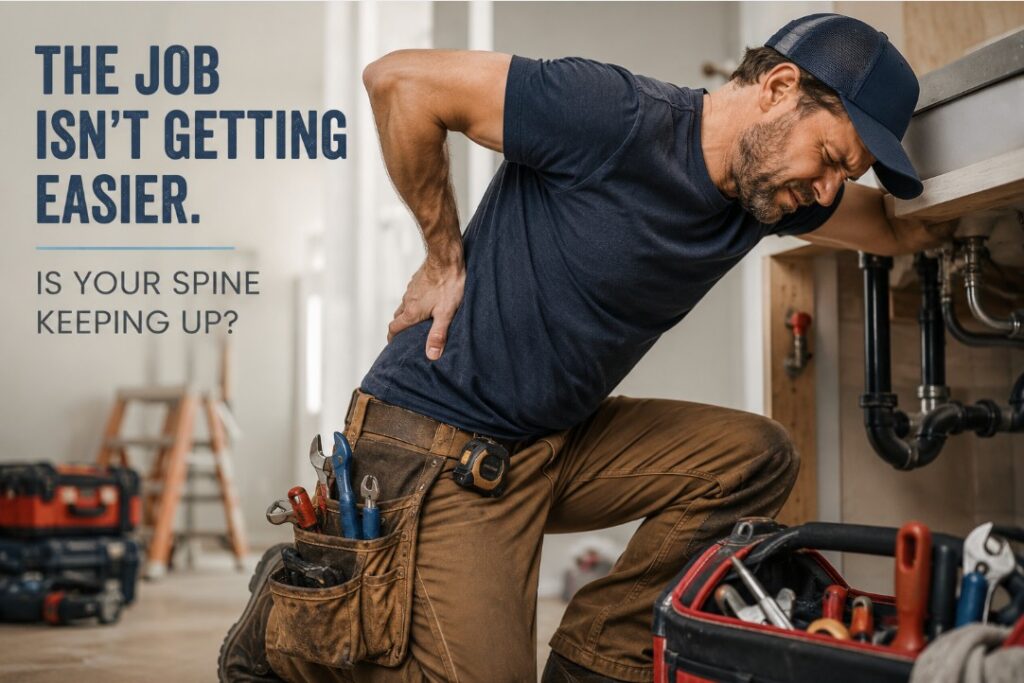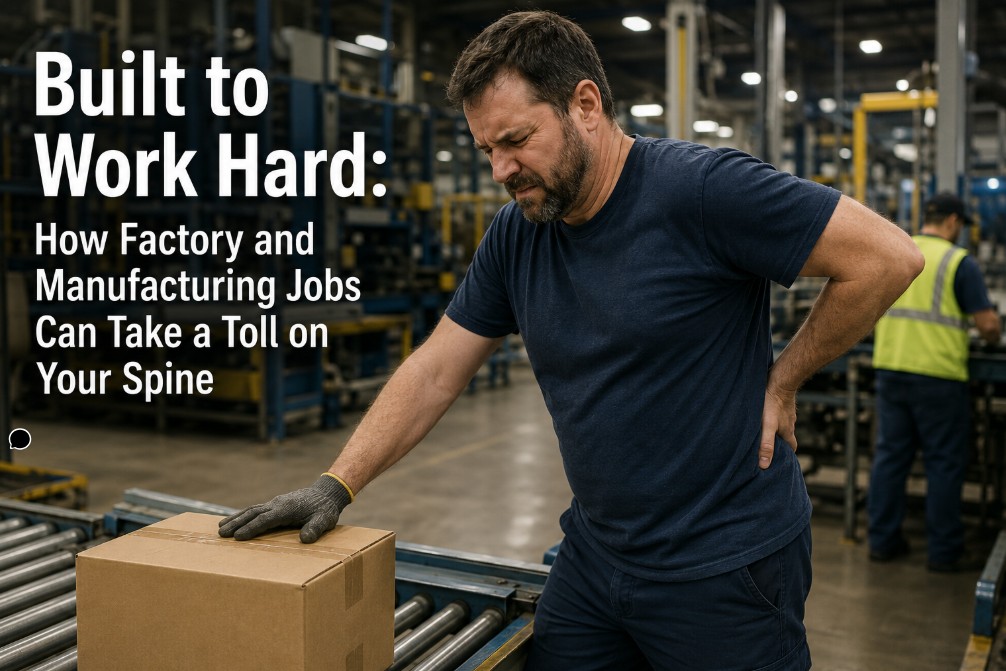

For many farmers, aches and pains are treated as just another part of the job.
Livestock still need to be fed. Equipment still needs to be repaired. Fields won’t plant themselves, and hay won’t bale itself. When your livelihood depends on showing up every day, it’s easy to ignore the warning signs your body is sending.
But chronic back pain is not something you simply have to live with.
At Sauk Spine Chiropractic, we regularly see farmers whose neck pain, low back pain, sciatica, or disc problems can be traced back to years — sometimes decades — of repetitive physical stress. Understanding why these problems develop is the first step toward finding lasting relief.
Why Farming Is So Hard on the Spine
Agricultural workplaces unique demands on the body.
Think about the movements many farmers perform hundreds or even thousands of times each week:
• Lifting feed bags
• Carrying buckets
• Handling livestock
• Climbing on and off equipment
• Bending to repair machinery
• Twisting while loading materials
• Spending long hours in tractors, skid steers, combines, and trucks
• Working in awkward positions for extended periods of time
Each of these activities places stress on the discs, joints, muscles, and ligaments that support the spine.
The body is remarkably resilient, but years of repetitive strain can eventually lead to wear and tear that affects comfort, mobility, and function.
And for farmers, that can be especially frustrating. People don’t come to us because they want to stop working. They come because they want to keep doing the work they love with less pain and more confidence.
Understanding Spinal Discs
Between each vertebra in the spine sits a spinal disc.
You can think of these discs as shock absorbers. They help cushion the spine during movement and allow flexibility when bending, lifting, and twisting.
Over time, repeated compression can cause discs to lose hydration and elasticity. In some cases, a disc may begin to bulge or herniate, placing pressure on nearby nerves.
When this happens, symptoms may include:
• Persistent low back pain
• Sciatica
• Pain that radiates into the hips, legs, or feet
• Numbness or tingling
• Weakness in the legs or feet
• Difficulty standing upright after sitting
• Increased stiffness in the morning
• Pain that gets worse after a long day in the tractor or truck
Many farmers tell us they feel okay while they are moving, but once they stop at the end of the day, the discomfort catches up with them.
That is often a sign that the spine has been under more stress than the body can keep compensating for.
Why Tractor Time Can Be a Problem
Many people are surprised to learn that sitting can be just as stressful to the spine as lifting.
Hours spent operating tractors, combines, skid steers, and trucks expose the body to constant vibration and sustained sitting positions. This combination can place significant pressure on the discs of the lower back.
Over months and years, that pressure may contribute to disc degeneration, nerve irritation, stiffness, and sciatica symptoms.
If your back feels worse after a long day in the seat, your spine may be telling you it needs attention.
How Spinal Decompression Works
Spinal decompression is a non-surgical treatment designed to help reduce pressure within the spine.
Using a specialized decompression table, controlled stretching forces gently create space between the vertebrae. This may help relieve pressure on compressed discs and irritated nerves.
For farmers dealing with disc-related back pain, spinal decompression may help:
• Reduce pressure on spinal discs
• Improve mobility
• Decrease nerve irritation
• Relieve sciatica symptoms
• Reduce pain in the back, hips, and legs
• Support the body’s natural healing process
Many patients are surprised by how comfortable the treatment feels.
Spinal decompression is not the right fit for every patient or every condition, which is why a thorough evaluation is always the first step.
The Goal Is Not Just Pain Relief
At Sauk Spine Chiropractic, our goal is not simply to help you hurt less.
We want to help you function better.
For farmers, that may mean climbing into the tractor with less pain, feeding livestock more comfortably, working in the shop, walking across uneven ground, sleeping better, or having enough energy left to enjoy time with family after the workday is done.
Preserving function matters.
The earlier spinal problems are addressed, the greater the opportunity to improve mobility, reduce irritation, and prevent symptoms from becoming more limiting over time.
When Should a Farmer Consider Spinal Decompression?
You may be a candidate for spinal decompression if you experience:
• Chronic back pain that keeps returning
• Sciatica or leg pain
• A known bulging or herniated disc
• Pain that worsens after sitting
• Numbness or tingling in the legs or feet
• Stiffness after tractor, skid steer, or truck time
• Limited improvement with rest, stretching, or medication
The best way to know whether decompression is right for you is through a thorough evaluation with Dr. John.
Do Not Accept Back Pain as Part of the Job
Hard work may be part of farming.
Chronic pain does not have to be.
If back pain, sciatica, or disc problems are affecting your work, your sleep, or your quality of life, schedule a consultation with Sauk Spine Chiropractic. Dr. John will help determine whether spinal decompression may be an appropriate option for your specific condition.
You have spent years taking care of your farm.
It may be time to take care of your spine.